The Mystery Vault
Explore Cases
Contact Us
Between June and July 1965, military personnel and scientific
staff stationed at Argentine, Chilean, and British bases on
Antarctica’s remote Deception Island reported a series of unusual
aerial phenomena. Witnesses described luminous objects displaying
changing colors as they moved rapidly across the sky, sometimes
appearing to hover or change direction abruptly. The reports were
particularly notable because they came from personnel at several
national bases operating in close proximity, rather than from a
single isolated observer. The most widely documented episode
occurred on July 3, when a bright, disc- or lens-shaped object was
reportedly observed for an extended period by numerous witnesses.
Some accounts claimed that the phenomenon was accompanied by
unusual effects on local geomagnetic instruments, raising the
possibility that the object was not merely a distant light but
something capable of affecting its surroundings. The sightings
attracted attention from military authorities and intelligence
agencies, including the Argentine Navy and the U.S. Defense
Intelligence Agency, and were subsequently examined in official
reports. Yet questions remained over what the witnesses had
actually observed, whether the reported instrument disturbances
were connected to the sightings, and whether the events
represented an unexplained aerial phenomenon or a
misidentification of a conventional object or atmospheric effect.
With conflicting interpretations surrounding both the observations
and their alleged effects, the Deception Island sightings remain
one of the more unusual UFO reports associated with Antarctica.
Could the lights have been remotely operated aircraft or other devices used as a prank or hoax near the military installations?
In 1965, Deception Island became the setting for a series of unusual aerial observations that attracted the attention of military personnel and scientists stationed at several Antarctic bases. Over the following weeks, witnesses reported seeing luminous objects moving through the sky, sometimes changing color, hovering, or traveling at remarkable speeds. The sightings culminated in a particularly notable encounter on July 3, when personnel at multiple bases reportedly observed an object over the island. What began as a collection of strange observations soon became the subject of military reports and later investigation, leaving behind a case whose details remain disputed.
Deception Island is a volcanic island in the South Shetland
Islands, lying off the northern tip of the Antarctic Peninsula.
Unlike most Antarctic islands, much of its interior consists of
a
flooded volcanic caldera, creating a natural harbor known as
Port Foster. Its isolated position, harsh Antarctic climate, long periods
of darkness during winter, and active volcanic environment made
it both a challenging place to live and a valuable location for
scientific observation. By the mid-20th century, the island had
already acquired a complicated history involving exploration,
whaling, scientific research, and competing territorial claims.
By 1965, Argentina, Chile, and the United Kingdom all maintained
facilities on Deception Island. The British Station at Whalers
Bay had been established in 1944 as part of Operation Tabarin, a
wartime British expedition that combined military objectives
with meteorological and scientific work. The station later
became part of Britain's continuing Antarctic research program
and conducted meteorological and geological observations.
Argentina had established its Decepción naval station in 1948,
while Chile operated the Presidente Pedro Aguirre Cerda station
at Pendulum Cove, where meteorological and volcanological
research was carried out. The stations were therefore not simply
military outposts: their personnel included scientists,
meteorological observers, naval personnel, and other specialists
whose work required regular observation of the surrounding
environment.
The island had also been the scene of unusual and sometimes
tense events long before the 1965 sightings. During the Second
World War, Britain established its presence there partly to
prevent enemy vessels from using Antarctic anchorages. The
island subsequently became a point of dispute between Britain,
Argentina, and Chile. In 1953, British Royal Marines landed on
Deception Island and destroyed Argentine and Chilean facilities
during what became known as the Deception Island incident. The
three countries nevertheless continued maintaining Antarctic
operations in the area during the following years. The setting
therefore mattered considerably. In the winter of 1965,
personnel from three countries were working within the same
remote Antarctic environment, watching the same sky from
neighboring stations while carrying out scientific and military
duties. Against this unusual backdrop, reports of strange lights
appearing repeatedly over Deception Island were bound to attract
attention—and when similar observations were reported from more
than one base, the events became considerably harder to dismiss
as the experience of a single observer.
The first two reported observations occurred only hours apart on
June 7 and 8, 1965, at the Argentine base on Deception Island,
Antarctica. Both were made by Jorge Hugo Stanich, a civilian
meteorological observer who was carrying out routine
observations at the station's meteorological site. The reports
were later included in communications sent by the Argentine
Antarctic command and subsequently appeared in U.S. Department
of Defense intelligence documentation. On June 7 at around 19:50
local time, Stanich noticed a stationary, brilliant light in the
sky. He described it as light yellow, with a bright central
portion surrounded by an iridescent or fuzzy halo. The apparent
diameter of the central portion was estimated at about 1.5
centimeters when viewed from the observation point. It produced
no reported sound and remained visible for about five seconds
before disappearing.
The observation was made under particularly poor viewing
conditions. The sky was completely covered by dense
stratus
clouds, with drizzle and no visible stars or Moon. Later
comparisons with meteorological observations from the nearby
British station also indicated complete cloud cover and a low
cloud layer. These conditions made the sighting unusual, but
they also made it difficult to determine the object's true
distance, size, or nature. At around 02:20 local time on June 8,
approximately six and a half hours after the first observation,
Stanich reported another object with similar characteristics. It
was again stationary and
luminous, although the central portion appeared smaller, with an
estimated diameter of about 1 centimeter. The observation lasted
around four seconds before the object disappeared. As with the
previous sighting, the weather was
overcast, with a dense layer of stratus obscuring the normal stars and
other astronomical reference points. The two observations were
brief, involved only one witness, and provided little
information from which the object's actual distance or size
could be established. The two brief observations therefore
became the first recorded incidents in a sequence of sightings
that would become considerably more significant later in June
and July.
The unusual observations did not end with Stanich's brief
sightings on June 7 and 8. On June 20, personnel at the Chilean
Presidente Pedro Aguirre Cerda base reported another
luminous
object over Deception Island. The observation was made by 11
people, including the base commander, two Chilean Air Force
pilots, and a meteorological forecaster. According to the
surviving account, the object appeared larger than a
first-magnitude star
and remained visible for approximately 25 minutes as it moved
rapidly over the island. Unlike Stanich's earlier observations,
this sighting involved a considerably larger group of witnesses,
including personnel with aviation and meteorological experience.
Another observation followed on July 2, this time from the
British base on Deception Island. At approximately 23:00 UTC,
personnel reported seeing a flickering red, green, and yellow
light to the north. The object was described as moving rapidly
from the west, apparently reversing direction before returning
toward the north, where it remained stationary for around 20
minutes. The surviving British record is brief and was
transmitted to the British Antarctic Survey after the event,
leaving little additional information about the witness or the
conditions under which the observation was made.
By this point, unusual lights had been reported from Argentine,
Chilean, and British facilities on Deception Island. The reports
differed considerably in their details, but their recurrence
across several weeks and their observation from multiple
national bases added to the growing interest surrounding the
events. The next major sighting, however, would be far more
extensively documented and involve witnesses at more than one
Antarctic station.
The most significant events in the Deception Island sequence
occurred on July 3, 1965, when unusual objects were reported
from the Chilean and Argentine stations on the island, with the
British station also receiving reports connected to the events.
The observations were considerably longer and more detailed than
the brief June sightings, involving numerous witnesses who
watched the phenomenon with their own eyes and, in the Argentine
case, with binoculars and a
theodolite. The reports described changing colors, unusual movements,
periods of apparent hovering, and an object that appeared to
change speed and direction. At approximately 19:20 local time,
personnel at the Chilean Presidente Pedro Aguirre Cerda base
began observing a luminous object over Deception Island. Nine
people reportedly witnessed the phenomenon, including the
meteorological observer. They watched it for approximately 20
minutes as it crossed the southwestern part of the island. The
object was described as white and
luminous, appearing at an elevation of about 45 degrees. It reportedly
traveled at high speed along an oscillating course, moving
generally in a northwest-to-southeast direction. The witnesses
followed its movements as it crossed the sky before the
observation ended.
The event was followed by an even more extensive observation at
the Argentine Naval Detachment on Deception Island. At
approximately 19:42 local time, personnel at the station
reportedly observed a luminous object for about an hour. The
witnesses included almost the entire Argentine detachment, as
well as three Chilean non-commissioned officers who were
visiting the station. The object was observed with the naked eye
and optical instruments, including binoculars and a
theodolite. The Argentine witnesses described the object as solid and
lens- or disc-shaped, with a predominantly red appearance. Its
coloration reportedly changed at different moments, with yellow,
green, blue, white, and orange tones also being observed. A
luminous
or iridescent appearance was reported around the central
portion. The object appeared to remain stationary for periods
before moving again, sometimes changing its speed or direction.
Its general movement was described as being toward the east,
although westward movements were also reported. It was estimated
to be approximately 10 to 15 kilometers from the station and
around 45 degrees above the horizon. The observation was made
under unusually clear conditions for the region, with only some
scattered clouds and the waning Moon visible.
The witnesses attempted to follow the object as it moved across
the sky. The use of a
theodolite
was particularly notable because it allowed the observers to
track its apparent position more systematically than would have
been possible by simply watching it with the naked eye. The
object reportedly remained visible long enough for personnel to
make repeated observations of its appearance and movements
before it eventually disappeared. The Chilean station also
attempted to document its observation. Later accounts state that
color photographs were taken from the Chilean base, while the
Argentine personnel also attempted to record the phenomenon.
However, the available records do not provide a complete
photographic sequence that can be examined alongside the
original observations, leaving the reported images as part of
the documentary record rather than definitive evidence of the
object's nature.
The British station was also drawn into the events. British
Antarctic Survey records later stated that the station had
received reports of the unusual lights seen from the Argentine
and Chilean bases on July 3. There was also a report from a
member of the British base itself, although the station
commander, C. D. Walter, recalled that the observation had been
made by the base cook and was treated somewhat jokingly at the
time. Walter also recalled that some personnel suspected that
practical jokes might have been involved. The British account is
therefore much less detailed than the Argentine and Chilean
reports, but it adds another national station to the record of
observations surrounding July 3. By the end of July 3, unusual
aerial observations had therefore been reported from all three
national facilities operating on Deception Island. The Argentine
and Chilean accounts were the most extensive, describing a
luminous
object that appeared to change color, remain stationary, and
move rapidly or alter direction. The British record was
considerably less detailed, but its inclusion added another
independent observation to an already unusual night. What the
witnesses had actually seen, however, remained unresolved.
The sightings continued after the major events of July 3, although the later reports came from locations outside Deception Island. On July 7, personnel at an Argentine naval detachment on Gable Island, in the Beagle Channel, reported seeing a bright, circular object overhead. It reportedly remained stationary for several minutes before moving eastward and disappearing into clouds. The witnesses also reported a bright ray that appeared to illuminate the water below. On July 8, another sighting was reported from Argentina's Esperanza Base on the Antarctic Peninsula. The available account described an object said to resemble the one reported at Deception Island, including similarities in its appearance and movements. Details of the observation are limited, however, making it difficult to establish exactly what the witnesses observed. These later reports extended the unusual activity beyond Deception Island, but neither was documented in the same detail as the events of July 3.
Following the July 3 sightings, the Argentine Navy gathered accounts from its personnel at Deception Island and formally documented the incident. On July 6, the Navy released an official statement describing the observed object, its unusual movements and changing colors. The reports were subsequently transmitted through the Navy's Hydrographic Service, which compiled information from the Argentine Antarctic stations along with reports from the Chilean and British stations on Deception Island. The material was later provided to the U.S. Naval attaché in Buenos Aires, Argentina, becoming the basis for a U.S. Department of Defense intelligence report dated July 16, 1965. The Argentine Navy's surviving documentation records the observations in considerable detail, but does not appear to provide a definitive explanation for what the personnel had witnessed.
The Argentine Navy's documentation soon reached the United States through military intelligence channels. On July 16, 1965, the U.S. Department of Defense issued an Intelligence Information Report concerning unidentified flying objects sighted in Antarctica. Prepared by the U.S. Naval Attaché in Buenos Aires-Argentina, the report contained translations of four messages supplied by the Argentine Navy Hydrographic Service. These messages included observations from Argentine personnel at Deception Island and Orcadas, as well as reports that British and Chilean personnel at Deception Island had witnessed unusual objects. The report did not present an American conclusion about what the objects were. Instead, it reproduced the Argentine messages as translated and explicitly stated that they had been provided “without comment.” Its importance therefore lies less in an independent investigation and more in the fact that the Antarctic sightings had entered the official U.S. defense-intelligence record only days after the events.
Years after the 1965 sightings, the events were examined as part of the University of Colorado's Scientific Study of Unidentified Flying Objects, commonly known as the Condon Committee. The investigation obtained information from the British Antarctic Survey and examined accounts from personnel who had been stationed at Deception Island, including British base commander C. D. Walter and Chilean astronomer Dr. Erich Paul Heilmaier. The committee also examined records relating to the reported magnetic effects associated with the Antarctic sightings. The investigation found that the reported magnetic disturbance was not supported by the available measurements. Argentine Navy Captain José María Cohen stated that the magnetic variations recorded at Deception Island were within normal limits, while magnetograms from the Orcadas Observatory were also examined. The deviation recorded during the reported sighting was small and fell within the range of normal daily fluctuations. The committee therefore found no convincing evidence that a UFO had caused a terrestrial magnetic disturbance. The committee also uncovered information that complicated the reports from Deception Island. British base commander C. D. Walter recalled that some of the sightings had been viewed skeptically at the time, including suggestions that practical jokes had been played on the Argentine commandant. The committee further noted that no scientific personnel at the British station had personally observed a UFO on Deception Island. These findings did not resolve what the witnesses had seen, but they raised questions about some of the physical effects and circumstances associated with the reports.
The 1965 Deception Island sightings became one of the more
unusual UFO cases associated with Antarctica, largely because
reports came from personnel connected to Argentine, Chilean, and
British stations and were preserved in official military and
intelligence records. The July 3 observations in particular
continued to attract attention because of their duration, number
of witnesses, reported changes in color and movement, and claims
that magnetic instruments had been affected. The case was later
incorporated into the University of Colorado's Condon
investigation, ensuring that the Antarctic reports remained part
of the formal historical record of UFO research.
The case nevertheless remains controversial. The Condon
investigation found no convincing evidence that a UFO had caused
a magnetic disturbance and noted uncertainties surrounding some
of the observations, while the original witnesses' accounts
remained part of the surviving record. The contrast between the
detailed reports, the involvement of multiple national stations,
and the lack of a definitive identification has allowed the
Deception Island sightings to remain a subject of interest long
after the events themselves.
If the sightings were caused by an ordinary object, why might trained observers have struggled to identify it?
One of the most straightforward explanations is that at least some of the reported objects were ordinary astronomical bodies. Later analysis proposed that bright objects such as Mars, Spica, or Arcturus could have been responsible for some of the observations, with atmospheric conditions potentially affecting their apparent brightness, color, or movement. The June and July reports included descriptions of objects that appeared similar to unusually bright stars, making an astronomical explanation plausible for at least some of the shorter observations.
This explanation, however, does not necessarily account for every report. Some witnesses described apparent accelerations, changes in direction, and periods of hovering, while the July 3 observations lasted considerably longer than the brief June sightings. The Condon Committee also noted that the available information was insufficient to establish a definite identification. The astronomical explanation therefore remains a possible explanation for some of the sightings rather than a complete solution to the entire sequence.
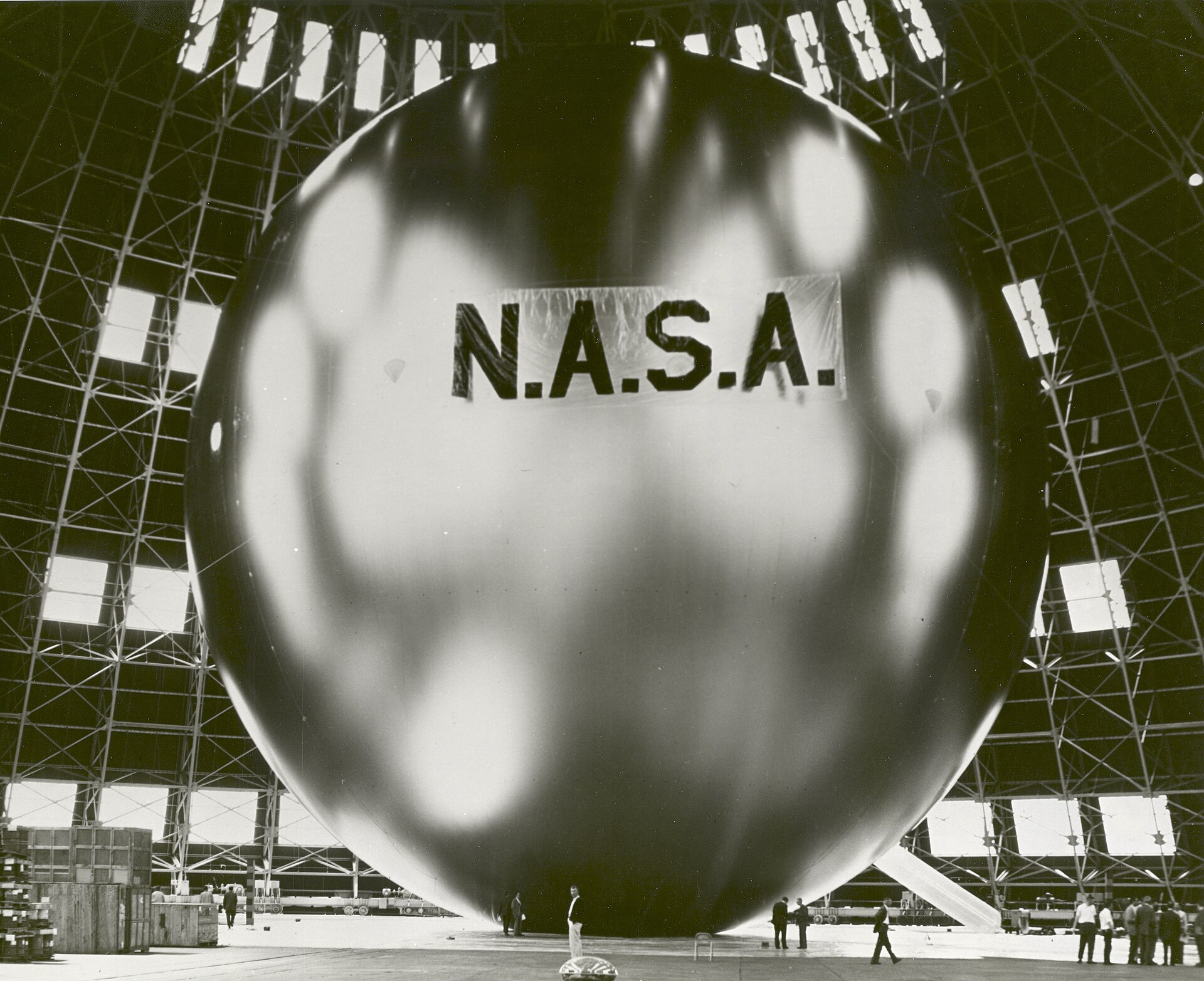
Another possible explanation is that at least one of the reported objects was an artificial satellite. Later analysis of the June and July reports identified the Echo II communications satellite as a possible candidate for one of the July 3 observations. Echo II was a large passive communications satellite launched by the United States in 1964, and its reflective surface could make it appear as a bright object moving across the night sky. Its orbit also placed it over Antarctic latitudes, making it a plausible object for observers on Deception Island to see.
However, the identification is not conclusive. The reported position and movement of the object did not correspond perfectly with the predicted behavior of Echo II, and the witnesses described movements that appeared inconsistent with an ordinary satellite passing overhead. The satellite explanation may therefore account for one of the observations, but it does not necessarily explain the entire July 3 encounter or the wider sequence of sightings.
Antarctica's unusual atmosphere provides another possible explanation for some of the reports. Strong temperature differences between layers of air can create atmospheric conditions capable of bending or distorting light, causing distant objects to appear displaced, enlarged, unusually bright, or even to seem as though they are moving. Such effects could potentially alter the appearance of ordinary stars, planets, or distant lights and may have contributed to reports of objects changing color or position.
This explanation is particularly relevant because several of the sightings occurred under unusual Antarctic weather conditions. However, atmospheric distortion would not necessarily explain every feature described by the witnesses. Reports of apparent changes in speed, sudden changes in direction, and prolonged hovering remain difficult to reconcile with a purely optical effect. It therefore remains a possible contributor to some observations rather than a complete explanation for the entire series of sightings.
Another possibility is that some of the reported objects were conventional aircraft or another type of human-made vehicle. From a distance, aircraft lights can appear as isolated points of light, and their apparent movement can be difficult to judge against a dark or featureless Antarctic sky. A distant aircraft viewed through changing atmospheric conditions could potentially appear brighter, change color, or seem to move in unusual ways.
The difficulty with this explanation is the remote location of Deception Island and the characteristics reported during the major July 3 encounter. The witnesses described objects that appeared to hover, accelerate, and change direction, while some observations lasted for considerable periods. No identified aircraft was established as the source of the sightings, leaving the possibility open but unsupported by a confirmed identification.
A further possibility is that the witnesses encountered a natural phenomenon that was not recognized at the time. Antarctica's extreme environment can produce unusual atmospheric and optical conditions, and the combination of darkness, distance, weather, and unfamiliar surroundings could make an uncommon natural event particularly difficult to identify. Under this explanation, the sightings would have been genuine observations of something real, but not necessarily something artificial or extraterrestrial.
The difficulty is that no specific natural phenomenon has been conclusively identified as the source of the reports. The different descriptions also make it difficult to determine whether the witnesses were observing the same phenomenon or several unrelated events. This leaves the possibility open, but without a clear candidate capable of accounting for the more unusual July 3 observations, it remains a broad explanation rather than a demonstrated one.
Another possibility is that at least some of the reports were the result of a practical joke or deliberate deception. This possibility was considered in connection with the British station on Deception Island, where the station commander later told investigators that the reported observation there had been regarded as something of a joke. There were also suggestions that practical jokes had occasionally been played on personnel at the Antarctic stations.
However, this explanation becomes much more difficult to apply to the entire series of sightings. The reports involved personnel from different national bases, including Argentine and Chilean observers, and some of the July 3 observations were witnessed by large groups of people. There is no established evidence that the major sightings were deliberately fabricated. A practical joke may therefore be relevant to individual reports, but it does not provide a convincing explanation for the entire sequence.
The final possibility is that the objects reported over Deception Island were genuinely unidentified aerial phenomena. The witnesses included military personnel, scientists, and meteorological observers from several national bases, and some of the reports described objects displaying unusual colors, apparent changes in speed and direction, and periods of hovering. The July 3 encounter was particularly notable because of the number of witnesses and the length of the observation.
However, unidentified does not necessarily mean extraterrestrial. The surviving reports do not establish the origin or nature of the objects, and several conventional explanations have been proposed for individual observations. At the same time, none of those explanations has conclusively accounted for every report. The UFO theory therefore rests primarily on the fact that some observations remain unexplained rather than on evidence identifying the objects as spacecraft or proving an extraterrestrial origin.
Could the reported electromagnetic disturbances have been unrelated to the objects entirely?
Source: TMV
Author:TMV (Made using 'My Maps')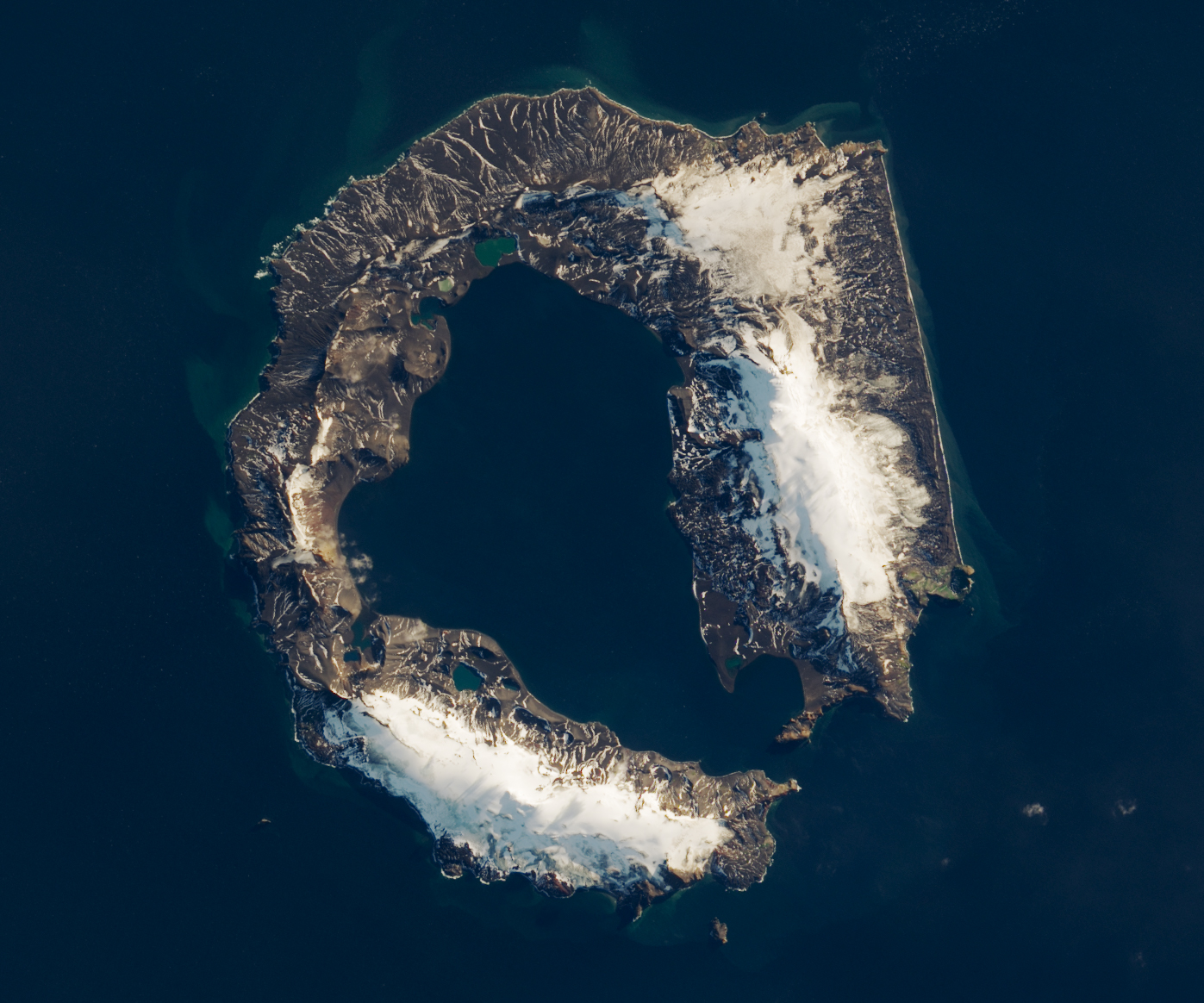
Source: Wikipedia Commons
Author: NASA
Date: March 2018