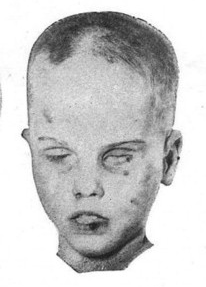
The Boy in the Box case is one of the most enduring unidentified victim investigations in the United States. It began in 1957 with the discovery of a young child’s body in Philadelphia and gradually developed into a long-term cold case that has remained open for decades. The case is primarily defined by two unresolved questions: the identity of the victim and the exact circumstances that led to his death.
Unlike many homicide investigations that progress toward suspect identification, this case became increasingly focused on forensic identification over time. As investigative methods evolved, the case was revisited multiple times using new technologies, particularly DNA analysis. It is now regarded as a foundational example in the study of unidentified decedents in forensic
Over time, the case gained significant public attention due to its tragic nature and the length of time the victim remained unidentified. It has since been referenced in both forensic studies and cold case investigations as an example of how early limitations in evidence collection can impact long-term case resolution.
Discovery Of The Body
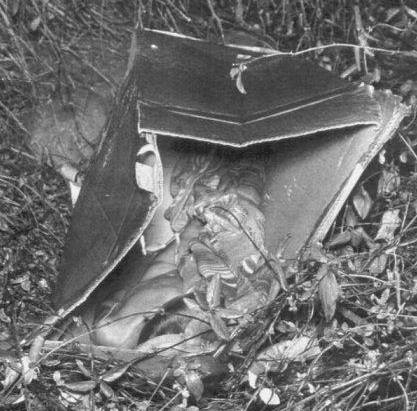
In February 1957, the body of a young boy estimated to be between four and six years old was discovered in the Fox Chase area of Philadelphia. He was found inside a cardboard box placed in a wooded area, suggesting deliberate concealment. The discovery immediately raised suspicions of foul play due to the condition and placement of the body.
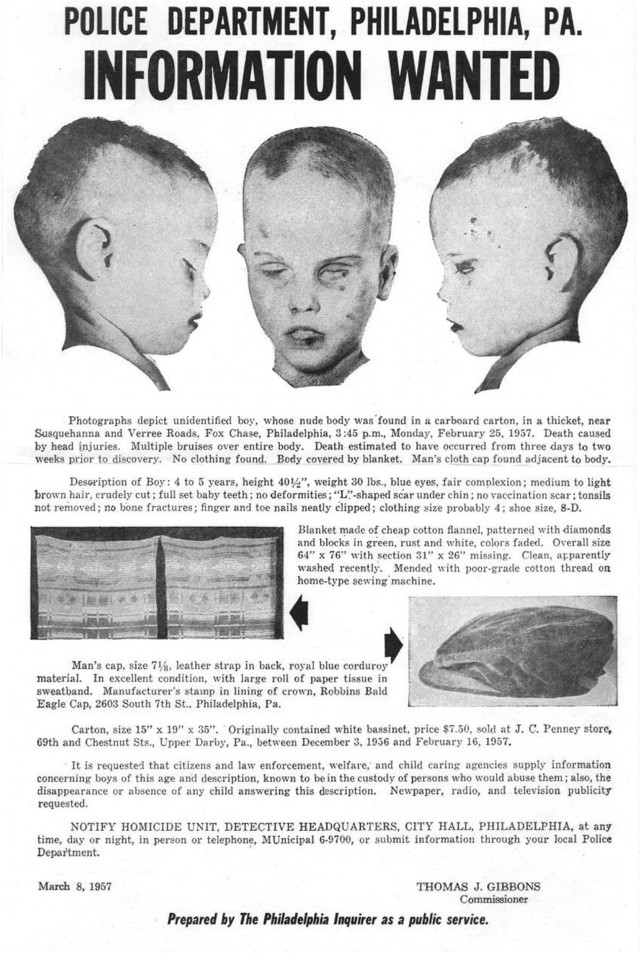
The child was found unclothed and partially wrapped in a blanket. Early medical examination revealed that he was significantly underweight for his age, indicating prolonged malnutrition. Investigators also observed bruising and injuries on the body, which suggested possible physical abuse prior to death.
The exact cause of death could not be definitively determined at the time due to limited forensic capabilities in the 1950s. No identifying documents, clothing tags, or personal items were recovered at the scene. The lack of physical identifiers made immediate identification impossible and significantly complicated the early stages of the investigation.
Investigation
Following the discovery, Philadelphia police launched a formal homicide investigation. Officers canvassed surrounding neighborhoods and interviewed residents in an attempt to identify missing children or suspicious activity in the area. The case was treated as a priority due to the victim’s age and condition.
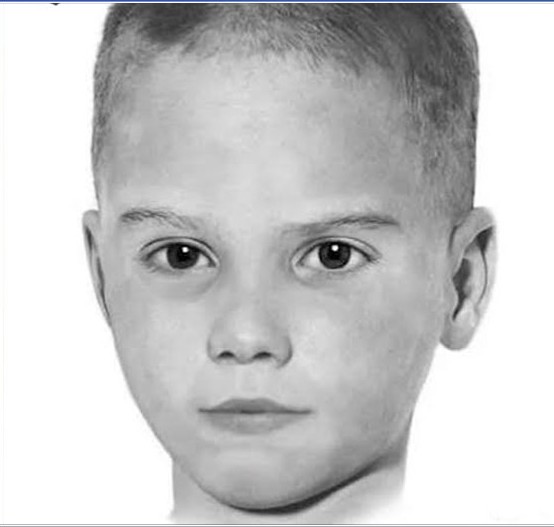
Authorities released public appeals through newspapers and circulated descriptions of the child across the region. In addition, forensic reconstructions and sketches were created in hopes that someone might recognize the victim. Investigators also reviewed missing persons reports from multiple jurisdictions.
Despite extensive early efforts, the investigation was severely limited by the forensic technology of the time. There was no DNA analysis, and fingerprint or dental comparisons yielded no confirmed matches. As leads dried up, the case gradually lost active momentum and transitioned into cold case status, though it was never formally closed.
Identification
For decades after the discovery, the boy remained unidentified and became widely referred to as “America’s Unknown Child.” Numerous attempts were made to match him with missing children cases reported in Pennsylvania and surrounding states, but none produced a verified identification.
In the late 20th century, renewed interest in the case led to periodic re-examinations of available records. Investigators revisited missing persons databases and attempted to correlate historical reports with the victim’s estimated age and physical characteristics. However, these efforts still failed to produce a confirmed identity.
With the advancement of forensic science in the 21st century, particularly DNA profiling and genealogical research, the case was reactivated once again. Biological evidence preserved from the original investigation was reanalyzed, allowing investigators to explore familial connections that were previously impossible to detect. These modern methods significantly narrowed the possibilities, bringing the case closer to resolution than at any earlier point, though careful verification remained essential.
Autopsy
Following the discovery of the body in 1957, an autopsy was conducted to determine the boy’s age, condition, and possible cause of death. The examination estimated the child to be between four and six years old based on dental development, bone structure, and overall physical growth. The body showed signs consistent with prolonged malnutrition, including low body weight and underdeveloped musculature for his estimated age.
The autopsy also recorded multiple external injuries, including bruising on various parts of the body. These injuries suggested that the child may have experienced physical trauma prior to death, although the exact timing and cause of these injuries could not be precisely determined. At the time, forensic pathology lacked many of the tools that are standard today, which limited the ability to reconstruct a detailed timeline of events leading to death.
Despite a full post-mortem examination, the official cause of death could not be definitively established. Investigators were unable to determine whether the child died directly from injuries, exposure, starvation, or a combination of factors. The absence of clear toxicology results, combined with the limitations of 1950s forensic science, left the medical findings inconclusive, contributing to the long-term uncertainty surrounding the case.
Modern Re-Examinations
In the decades following the original investigation, the Boy in the Box case was periodically revisited as forensic science advanced. By the late 20th century, improvements in evidence preservation and biological testing methods allowed investigators to re-examine materials collected from the original autopsy and crime scene. These reviews were primarily focused on determining whether modern technology could establish the child’s identity, rather than reinterpreting the original cause of death.
In the early 2000s, DNA analysis was applied to preserved biological samples from the case. This marked a significant shift in the investigation, as genetic testing allowed for the possibility of identifying familial connections that were not detectable through traditional forensic methods. Over time, more advanced techniques such as forensic genealogy were introduced, enabling researchers to compare DNA data against broader databases in order to trace potential relatives.
These modern efforts significantly narrowed the scope of the investigation and provided stronger leads toward identifying the child than had ever been available before. However, the process required careful validation to avoid incorrect matches due to the complexity of distant genetic relationships. While these advancements brought the case closer to resolution, questions surrounding the exact circumstances of death remained separate from the identification process and continue to be a focus of historical forensic discussion.
In more recent years, renewed investigative collaboration between forensic experts and genealogical researchers has further refined the search for the boy’s identity. These efforts have focused on building more complete family trees and cross-referencing historical records with genetic findings. As a result, the case has shifted from being entirely identity-unknown to one with increasingly narrow possibilities, reflecting how modern science continues to reshape long-standing cold cases.
Relations
For more than six decades, the child known as the "Boy in the Box" remained unidentified despite repeated investigative efforts. Authorities compared the victim to missing children reports, reviewed archived records, and pursued numerous leads, but none resulted in a confirmed identification. As a result, the boy became widely known as "America's Unknown Child," a name that reflected one of the longest-running unidentified victim cases in the United States.
A major breakthrough occurred in 2022 when investigators used advanced DNA testing and forensic genealogy to identify the victim as Joseph Augustus Zarelli. By comparing preserved genetic material with information obtained from genealogical databases, researchers were able to reconstruct family relationships and ultimately obtain records confirming the child's identity. Joseph was born on January 13, 1953, and was four years old when he died in February 1957.
The genealogical investigation also identified Joseph's biological parents, later reported as Mary Elizabeth Plunkett and Augustus John Zarelli. Investigators further confirmed the existence of living siblings and extended relatives, although many personal details have been withheld out of respect for surviving family members. While the identification answered the long-standing question of who the child was, it did not solve the homicide itself, and the circumstances surrounding Joseph's death remain under investigation.
Burial
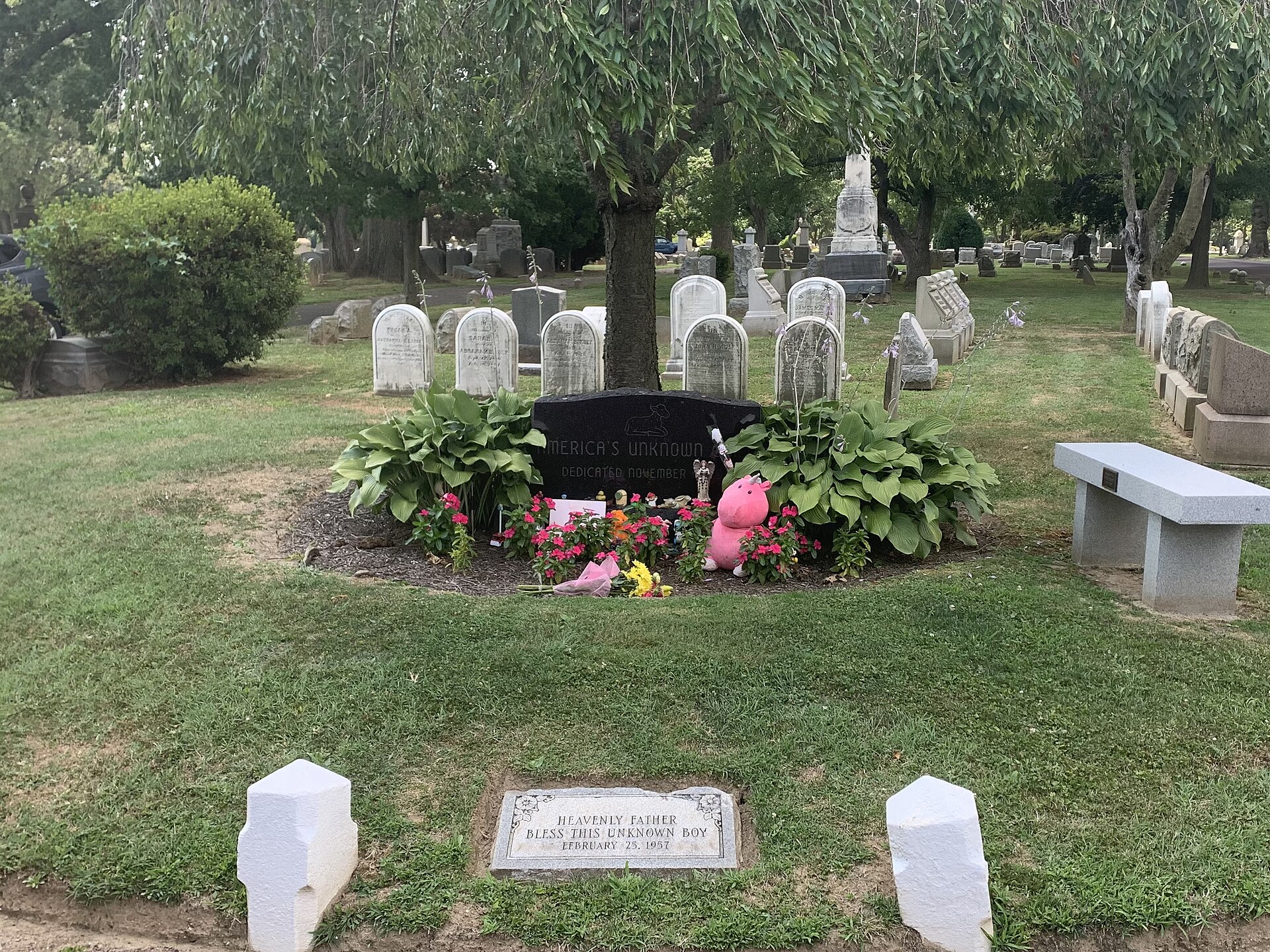
Following the initial investigation, the boy was buried in Philadelphia in a public cemetery under an unidentified marker. At the time, the burial reflected the inability of investigators to determine his identity or locate any family members. It also marked the formal conclusion of the initial investigative phase.
Over the years, the gravesite became a symbolic representation of one of the most well-known unidentified child cases in American forensic history. It has been referenced in discussions about cold cases and unidentified victims as a reminder of the limitations of early investigative methods.
As modern forensic techniques revived interest in the case, the burial site gained renewed attention. It became part of the historical and evidentiary context of the investigation, particularly as DNA-based identification efforts advanced. The site now represents both the unresolved past of the case and the possibility of eventual closure through scientific progress.